Sabre
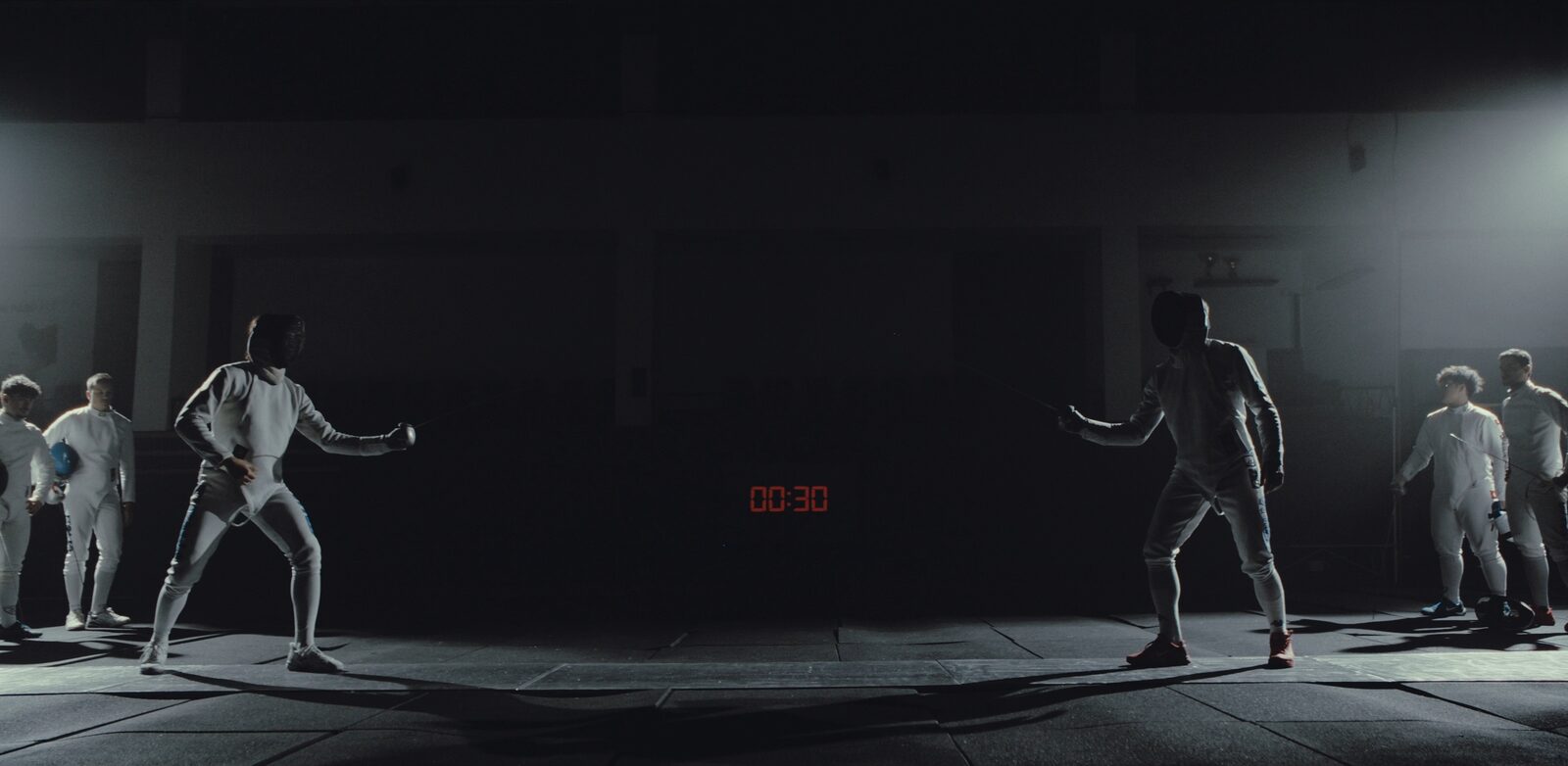
Sabre is my weapon. It comes straight from cavalry tradition — slashing strikes designed for fighting on horseback. In modern fencing, it's the closest thing to actual sword fighting: full speed, full intent, decisions in fractions of a second.
The fastest weapon in fencing.
From the en garde line to a finished touch — under a second. Sabre rewards instinct, footwork, and the ability to make decisions before you've consciously processed what you're seeing. It's why audiences love watching it. It's why fencers fall in love fencing it.
Equipment


Sabre is descended from the slashing cavalry sword carried by mounted soldiers. That history is still embedded in the rules: the target is the entire upper body — head, arms, torso — because that's what was reachable from horseback. You score with cuts as well as thrusts, and the speed of modern sabre reflects the urgency of cavalry combat.
It's the fastest of the three weapons by a wide margin. A typical sabre touch lasts under a second; entire bouts often finish in under a minute. The foil and sabre weapons themselves are similar in weight (around 500g), much lighter than épée — speed comes from the weapon's design, not its mass.
Sabre is also the most accessible to coach. Beginners feel results within their first few practices. Most of our coaches at TMFC teach sabre as the default for adults coming into the sport.